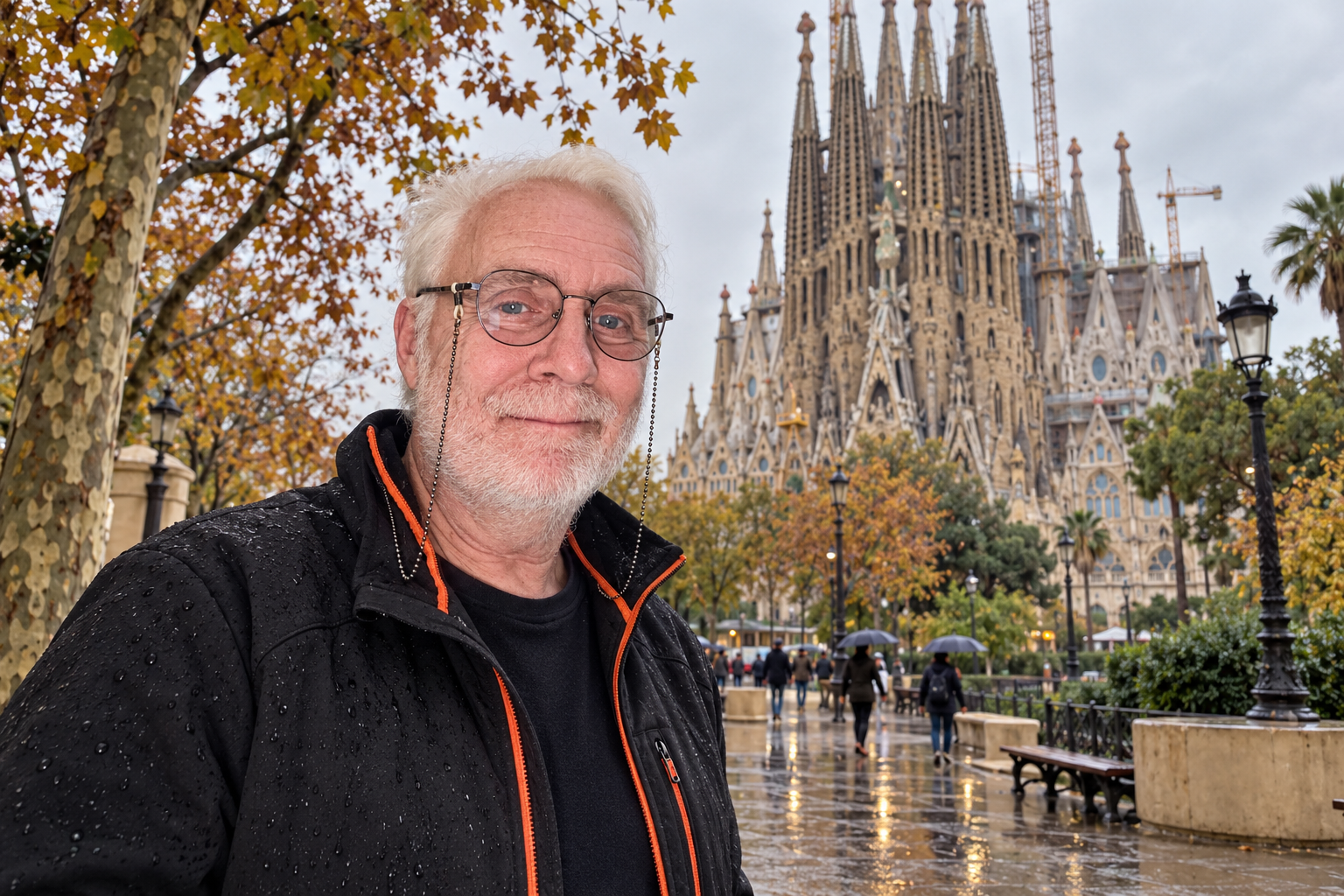
Beyond the Lens
Turn an uploaded portrait into a realistic photograph in another place or period. Choose the scene, weather and photographic style, or request a coherent surprise while keeping recognizable identity and apparent age as the priority.
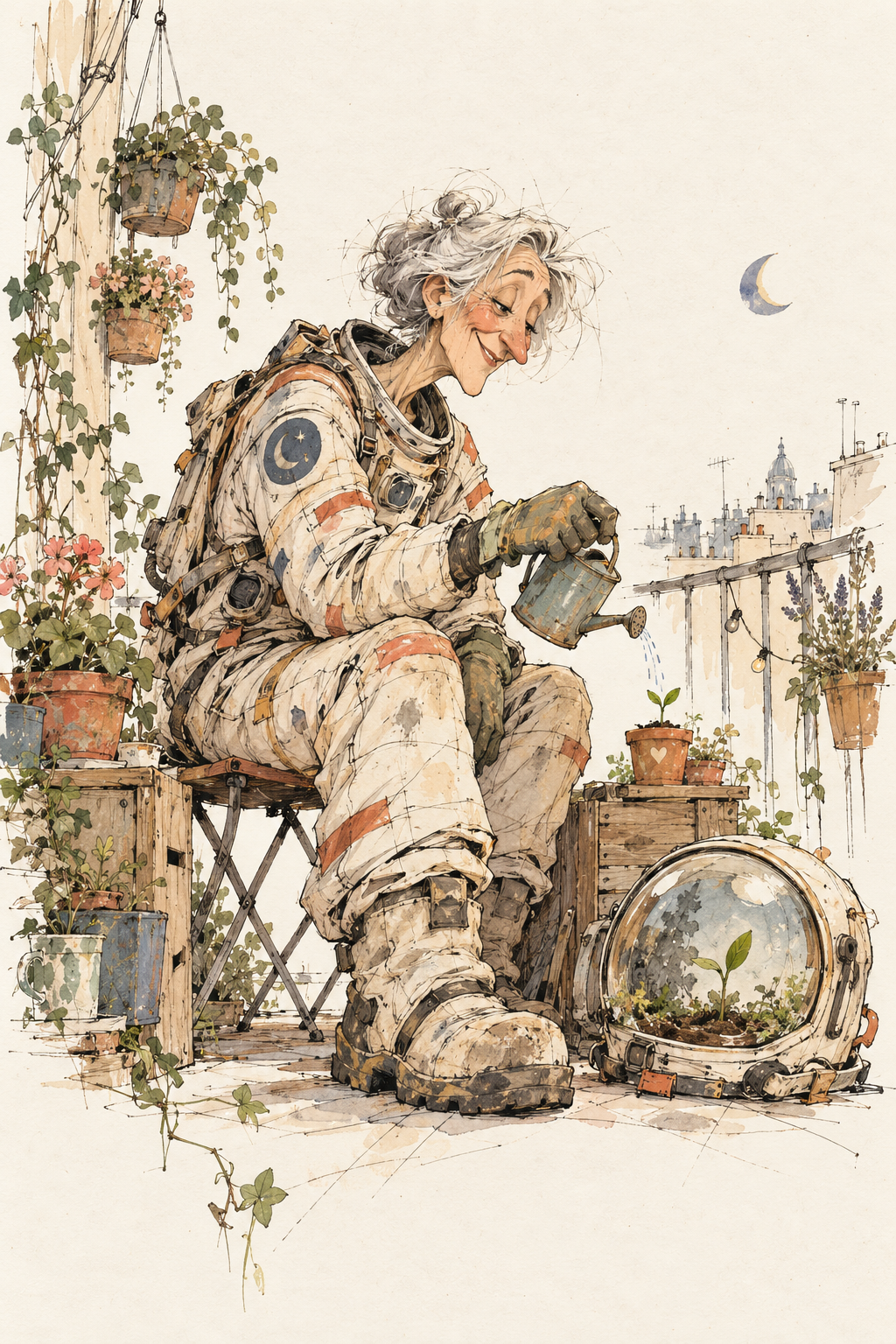
Loose Ink & Muted Watercolour
Forvandl et billede, et tekstprompt eller en kontekst til en levende illustration med kantet karikatur, løse blækstreger og afdæmpede akvarelfarver. Bevar motivets identitet, mens det får et håndtegnet, bevidst ufuldendt udtryk.
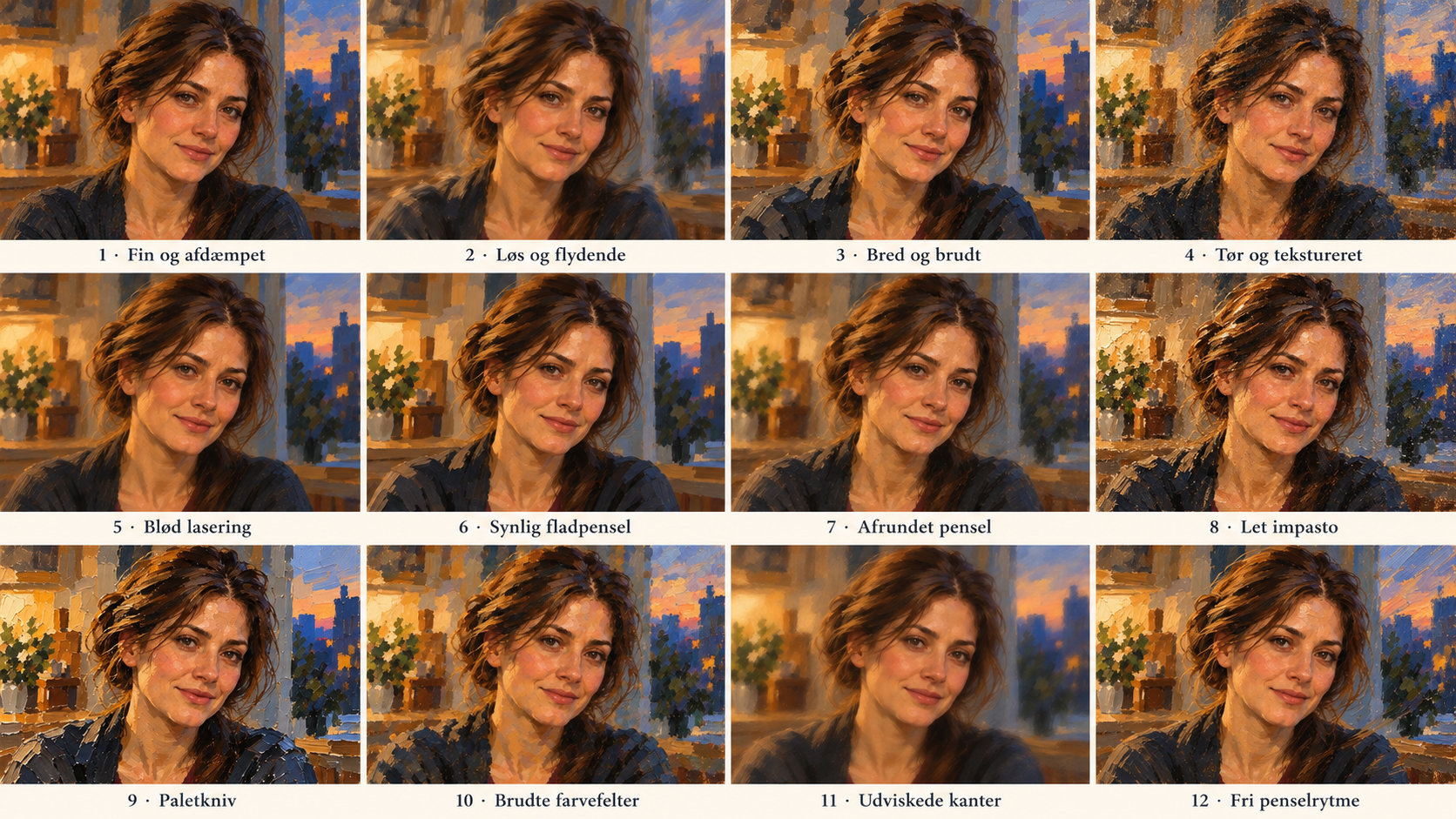
Broken Brush — Painterly Realism
Gør et foto, en beskrivelse eller samtalens kontekst til et maleri med levende penselstrøg og naturlig dybde. Vælg mellem 12 penselføringer — fra fin modellering til brede farveflader og paletkniv.
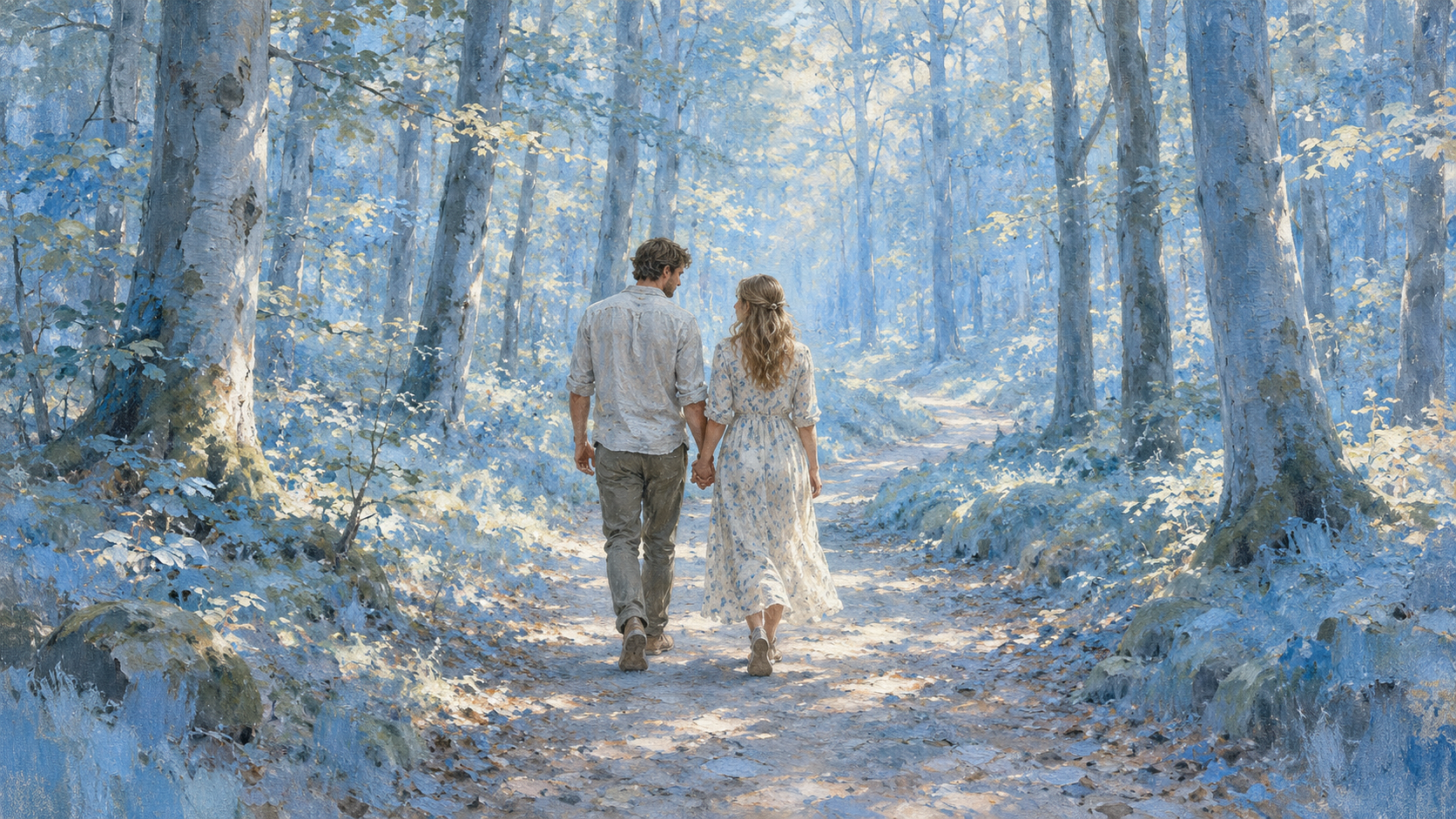
Selective Pigment — maleri med valgt fokus
Lad motivet smelte sammen med maleriske farveflader, mens dit valgte fokus træder frem. Brug et foto, en beskrivelse eller samtalens kontekst, og vælg selv fokus, palette og format.
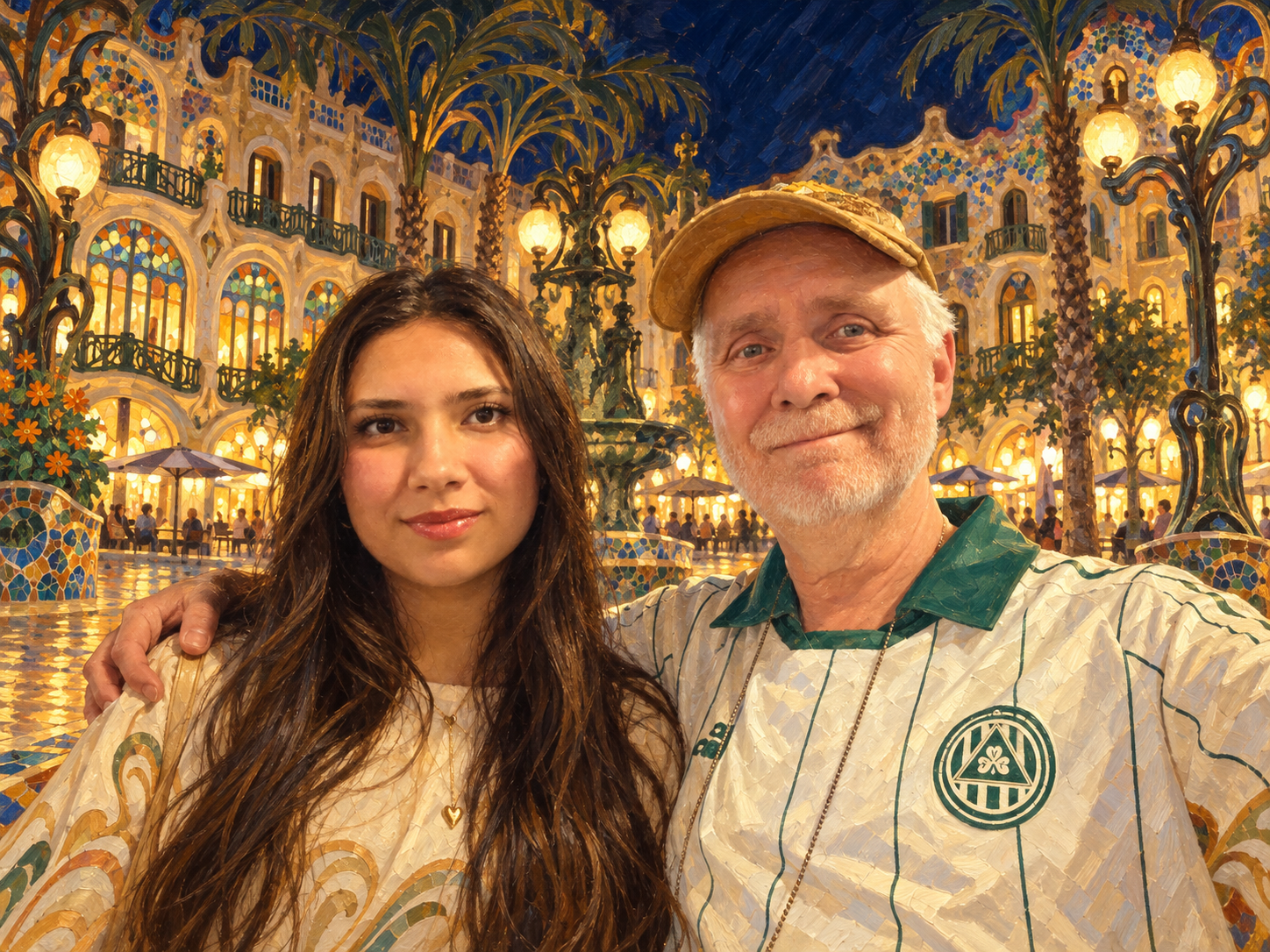
ISM — Universal Style & Frame Renderer
Give it an image, a scene or just an idea — then choose from 250+ art movements and visual aesthetics, from Baroque and Bauhaus to Wabi-Sabi, Glitch Art and Solarpunk. Pick the style, format and frame yourself, or use MIX and let the model compose a visual direction that suits the subject.
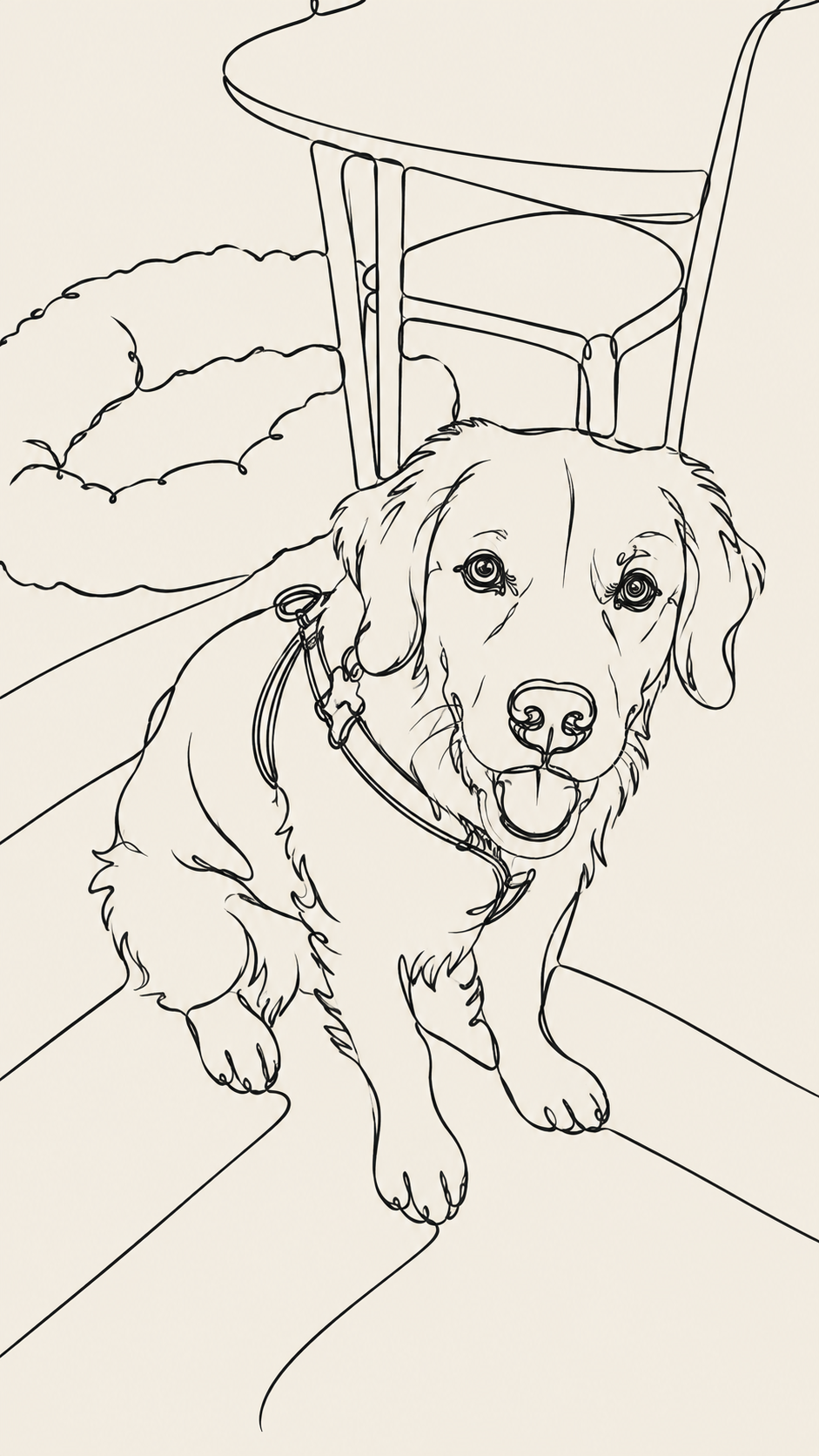
One Line – A Whole Subject
How little does it actually take before we recognise a face, a dog or an entire scene? Use a photo, a description or your context, choose a brush — calligraphy nib at 25° or 67°, pencil, chalk, brush pen and more — pick your colours, and get a single-line drawing as a pixel image or a scalable SVG.
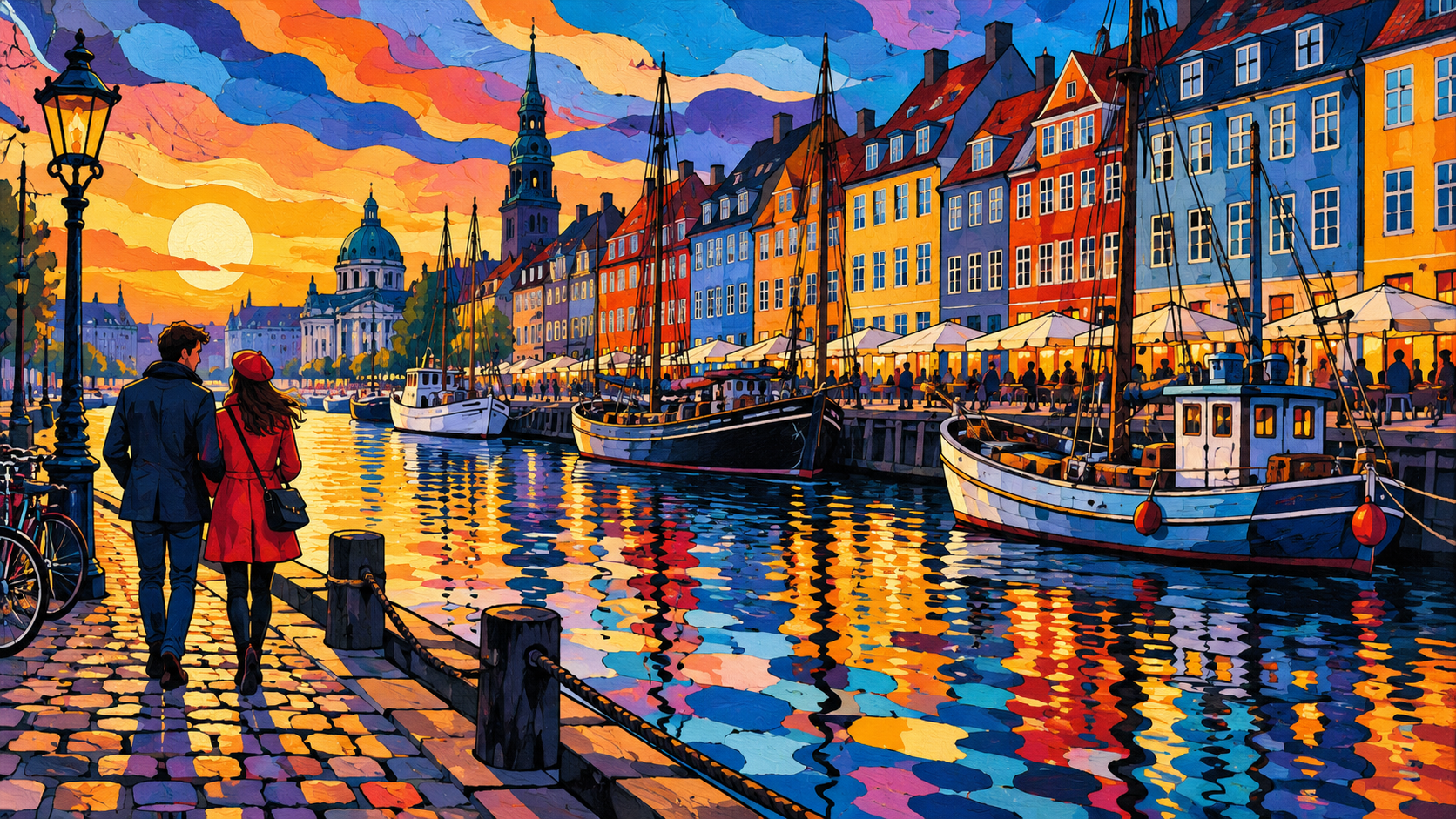
Mosaic Gouache Style Transfer
Give it a photo, an idea or a text, and get an image prompt that rebuilds the subject as a vivid, hand-painted illustration. Bold dark outlines, mosaic-like colour fields and warm light against cool shadows give the image its character, while what matters about the subject is kept.
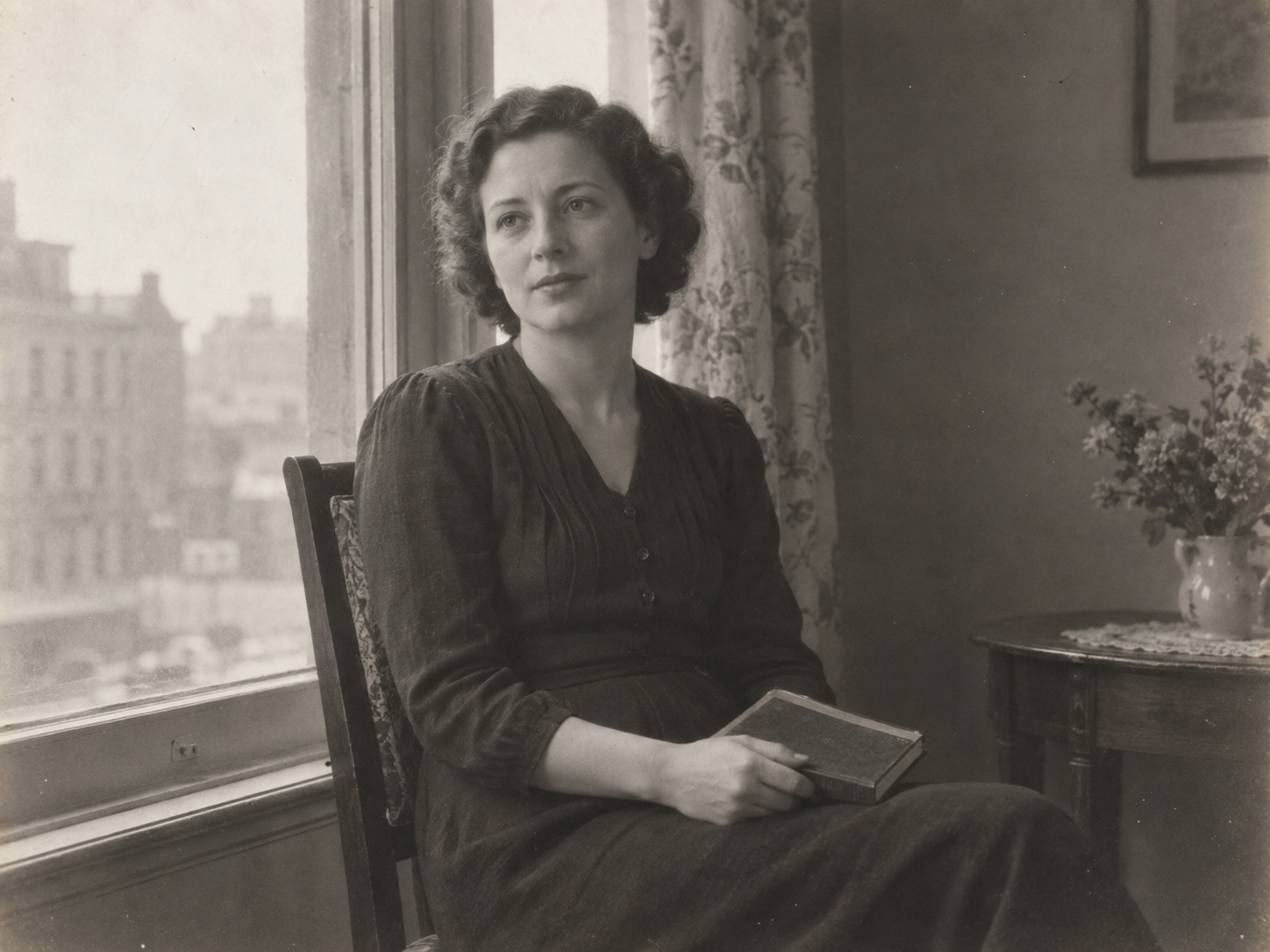
SILVER HALIDE MEMORY
Turn a photograph, description or idea into a convincing late-1930s silver-gelatin archive print. The prompt controls framing, period treatment, physical aging and text while preserving the soft tonal response, optical restraint and tactile imperfections of a real fibre-based contact print.
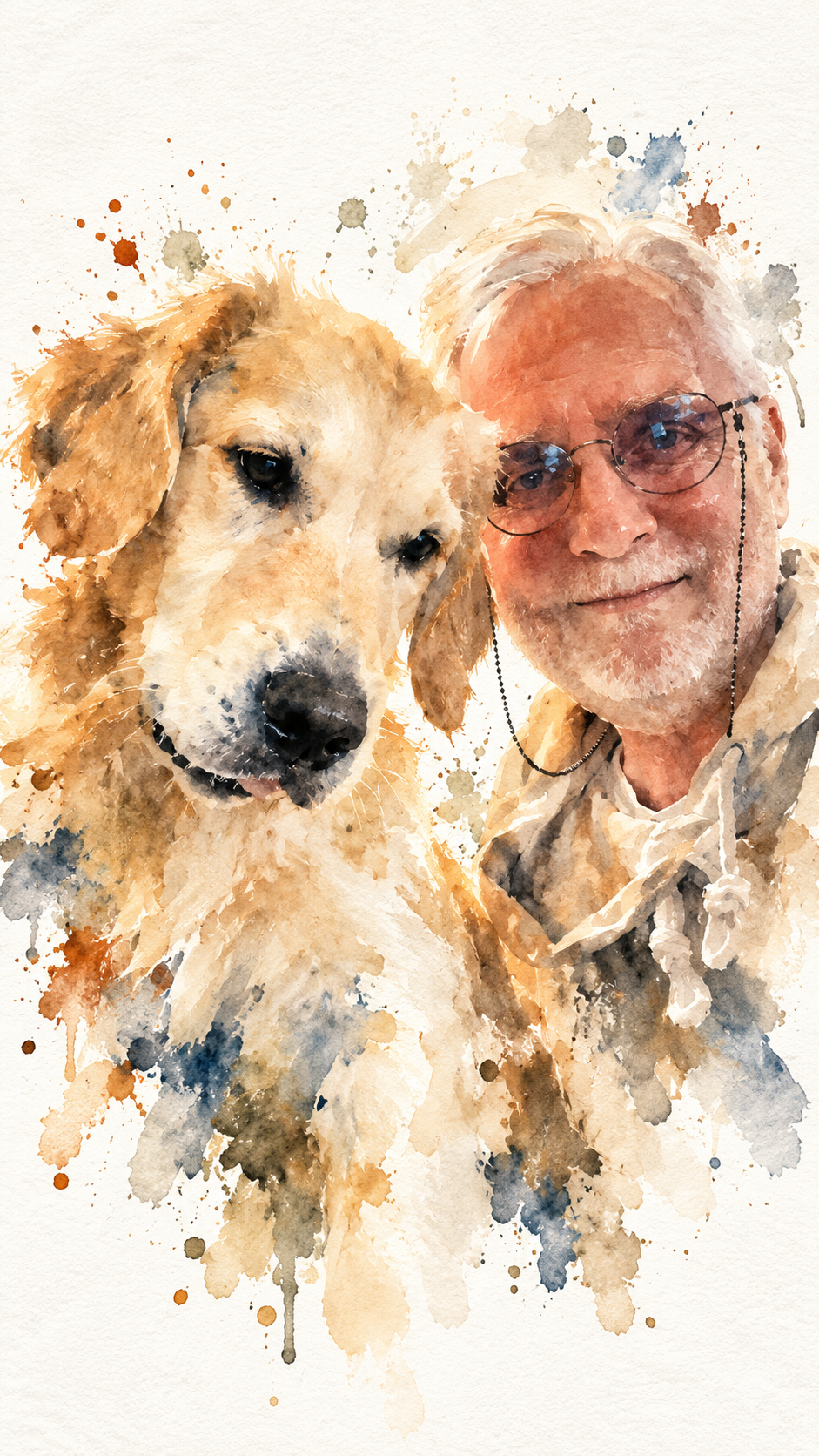
PIGMENT STUDY
A photograph records everything. PIGMENT STUDY asks a harder question: how much can disappear before the subject stops feeling alive? It transforms photos, descriptions or ideas into expressive watercolour studies built from pigment, water, paper and selective absence.
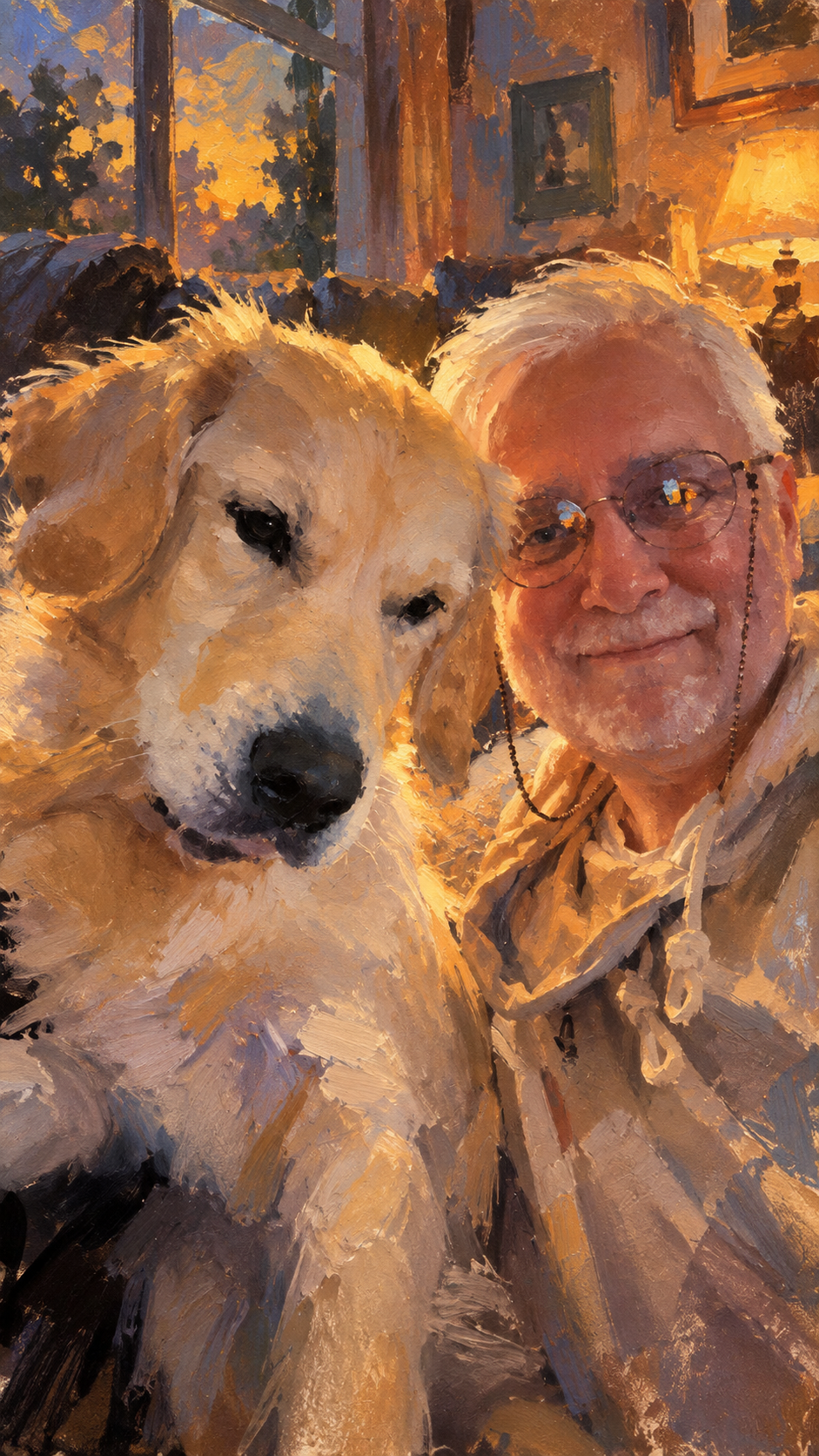
Layered Passing Moments
Most pictures ask what is in front of us. This prompt also asks what is beside us, behind us and already disappearing—turning photos or written scenes into tactile paintings where foreground, distance and reflection share one passing moment.